
What is a Classic?


Fellow bibliophiles, are you seeing what I’m seeing in book sale advertisements? Advertisers seem to be playing fast-and-loose with the term “Classic.” How can so many books—especially new, and even the not-so-new—be “Classics”?
On social media, bookstore and magazine ads, library posters, book covers, there is suddenly a plethora of classics (not the Classics commonly seen in university curricula).
Recently I’ve seen blurbs such as the ever-hopeful “Bound to be a Classic!” and the incredibly incredible “An instant Classic!”
Aside from classic sales pitches I began to wonder about the term “Classic” and what makes a book a Classic.
What is a Classic?
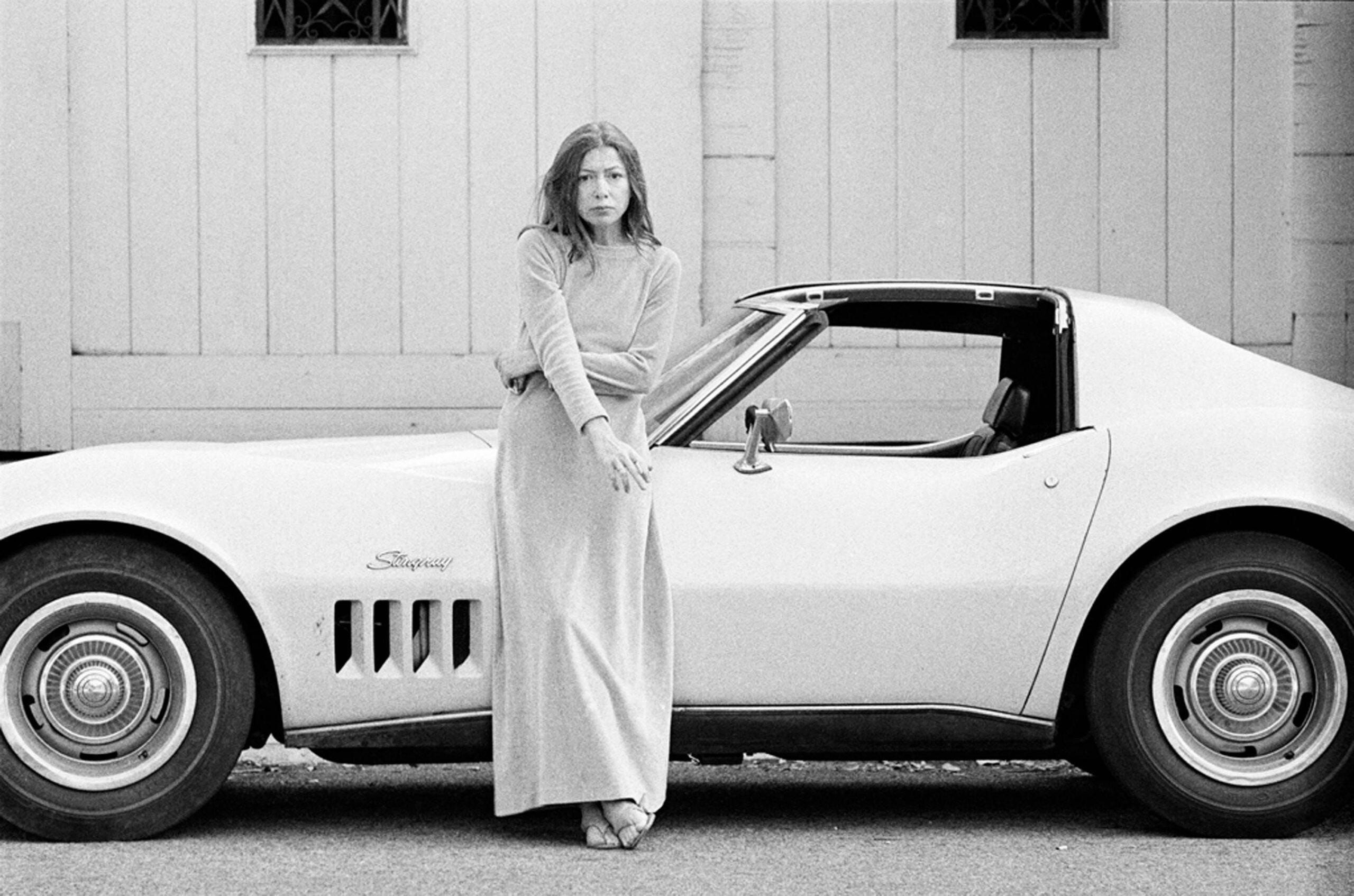
There are many answers … and there are none. Twenty years ago the late Joan Didion, whose writing I’ve enjoyed, was asked that question in an interview on NPR:
Ms. DIDION: You know, I don't even know what a classic is. It seems to me that basically what you're talking about at any given time, you're always going to end up with things that are going to seem eccentric to later generations.
Three years ago an unnamed essayist in “The Harvard Gazette” wrote:
For centuries, authors, scholars, critics, and ordinary readers have sought to understand and explain what makes a great book great. When we say “classic,” we mean a work “which helps you define yourself in relation or even in opposition to it,” according to Italo Calvino. Or maybe Mark Twain had it right: a classic is “a book which people praise and don’t read.”
Looking for another starting point, we turn to poet, playwright, essayist T. S. Eliot, who separates the Virgil’s from the pack in question. In Selected Prose of T. S. Eliot (ed. Frank Kermode),1 he writes,
If there is one word on which we can fix, which will suggest the maximum of what I mean by the term ‘a classic’, it is the word maturity.
I shall distinguish between the universal classic, like Virgil, and the classic which is only such in relation to the other literature in its own language, or according to a view of life from a particular period.
A classic can only occur when a civilization is mature; when a language and a literature are mature; and it must be the work of a mature mind.
It is the importance of that civilization and of that language, as well as the comprehensiveness of the mind of that individual (writer), which gives the universality.
To define maturity without assuming the hearer already knows what it means is almost impossible: let us say then that if we are properly mature, as well as educated persons, we can recognize maturity in a civilization, and in a literature, as we do in the other human beings we encounter.
That’s helpful, but no sense overthinking this—maybe Joan Didion’s take is best—she may not have known classic literature but she certainly knew classic cars.
1965, Farrar, Strauss, & Giroux, 116-117.